

Spartacus Blog
How do we stop Nigel Farage from forming a government?
On 26 December 2024 Reform UK claimed that its membership had overtaken the Conservative Party and become the UK's second-largest party, behind Labour, in terms of size. (1) By July 2025 UK Reform claimed that it had 250,000 members compared with 123,000 in the Conservative Party. (2) Labour Party was still the largest party with 309,000 but this was a large fall from the 532,046 members that it had under Jeremy Corbyn at the end of 2019. (3)
On 3 February 2025 Reform topped a national YouGov poll for the first time. (4) After the bad May election results Keir Starmer decided to attract those voters he had lost to Reform UK. As Sam Coates pointed out: "The Reform threat is real. Sir Keir Starmer knows it - and this year has started chasing Reform votes. Slashing aid spending. Abandoning green promises. Hard talk about immigration and living on an ‘Island of Strangers'. Sensible given the clear and evident Reform UK threat? Actually - maybe not. Look at the data in detail: It shows Labour has lost more than half of last year's voters. Just 46% still say they'd still vote for Sir Keir's party. But - despite the PM's strategy - they're not actually going to Reform in large numbers. Just 6% of Labour's voters at last year's general election - six out of every 100 - said they would vote Reform now. That's all. So where have they gone? Well, they've been lost much more to liberal and left-wing parties - 12% to the Lib Dems, 9% to the Greens." (5)
Keir Starmer and Enoch Powell
All those people who think deeply about politics and are not on the extreme right were extremely disturbed by Keir Starmer's "Island of Strangers" speech that had echoes of Enoch Powell's speech on 20 April 1968. Powell attacked the Labour government's commitment to passing a Race Relations Act that would make it illegal to refuse housing, employment, or public services to a person on the grounds of colour, race, ethnic or national origins. "The discrimination and the deprivation, the sense of alarm and of resentment, lies not with the immigrant population but with those among whom they have come and are still coming.... For these dangerous and divisive elements, the legislation proposed in the Race Relations Bill is the very pabulum they need to flourish. Here is the means of showing that the immigrant communities can organise to consolidate their members, to agitate and campaign against their fellow citizens, and to overawe and dominate the rest with the legal weapons which the ignorant and the ill-informed have provided. As I look ahead, I am filled with foreboding; like the Roman, I seem to see 'the River Tiber foaming with much blood.' Only resolute and urgent action will avert it even now. Whether there will be the public will to demand and obtain that action, I do not know. All I know is that to see, and not to speak, would be the great betrayal. (6)
The Times correctly reported that, "This is the first time that a serious British politician has appealed to racial hatred in this direct way in our postwar history." (7) Iain Macleod, Edward Boyle, Quintin Hogg and Robert Carr all threatened to resign from the Shadow Cabinet unless Powell was sacked. Edward Heath agreed, and Powell was dismissed, and he never held another senior political post. However, a Gallup poll at the end of April showed that 74 per cent of those asked agreed with Enoch Powell's speech and only 15 per cent disagreed, with 11 per cent unsure. Other polls concluded that between 61 and 73 per cent disagreed with Heath sacking Powell. (8)
Duncan Sandys, Gerald Nabarro, Teddy Taylor and other right-wing members of the Conservative Party supported Powell. Heath defended his decision telling Robin Day: "I dismissed Mr Powell because I believed his speech was inflammatory and liable to damage race relations. I am determined to do everything I can to prevent racial problems developing into civil strife... I don't believe the great majority of the British people share Mr Powell's way of putting his views in his speech." (9)
Island of Strangers
Moderate Tories, Labour and Liberals condemned the speech made by Enoch Powell in 1968, despite knowing that he had the support of the overwhelming majority of the British public. That is what politicians with a sense of morality do. Sometimes the majority are wrong about issues and are not to be obeyed. We would not have abolished capital punishment or be wearing seatbelts if we made decisions based on public opinion polls. However, Starmer is not a moral politician. His response to the popularity of Nigel Farage was to make a speech where he claims to agree with the leader of UK Reform. Starmer made a speech on 12 May where he argued that the UK risked becoming an "island of strangers" without tough new policies on immigration. Starmer was accused of pandering to the populist right by insisting he intended to "take back control of our borders" and end a "squalid chapter" of rising inward migration. (10)
Some people claimed that his words had echoed Enoch Powell's notorious "rivers of blood" speech, which imagined a future multicultural Britain where the white population "found themselves made strangers in their own country". Zarah Sultana wrote that Starmer had "imitated" Powell's speech, which subsequently became a rallying cry for racists and the hard right in the UK. "That speech fuelled decades of racism and division. Echoing it today is a disgrace. It adds to anti-migrant rhetoric that puts lives at risk. Shame on you, Keir Starmer." Nadia Whittome, the Labour MP for Nottingham East, said anti-migrant rhetoric from the government was "shameful and dangerous". Whittome argued: "To suggest that Britain risks becoming ‘an island of strangers' because of immigration mimics the scaremongering of the far-right." Sarah Owen, the Labour chair of the women and equalities committee, who is of Malaysian-Chinese heritage, said: "Chasing the tail of the right risks taking our country down a very dark path. The best way to avoid becoming an ‘island of strangers' is investing in communities to thrive – not pitting people against each other." (11)
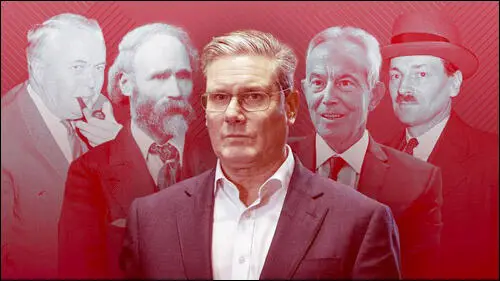
However, Starmer had miscalculated. The UK is no longer like it was in 1968. Leaders of all our political parties continued to pass legislation to protect ethnic minorities. Teachers in our schools played their part in punishing children for making racist comments. This helps to explain Farage's speech at an event for a private US Christian college in Michigan, claiming the "Marxist left" was "now in control of our education system". Farage claimed that "They (schoolteachers) are poisoning our kids. They are telling them to be ashamed of their country." At the US event Farage pledged to help spread the online educational material of Hillsdale College in the UK. He said organisations like Hillsdale were "part of the fightback", adding that: "I mean this. I will help Hillsdale in the United Kingdom garner hundreds of thousands, if not millions, of young people to your online courses." (12)
However, Keir Starmer had miscalculated. The UK is no longer like it was in 1968. Leaders of all our political parties continued to pass legislation to protect ethnic minorities. Teachers in our schools played their part in punishing children for making racist comments. Starmer was shocked to discover that after his "island of strangers" speech his approval ratings got worse. YouGov reported that by July his approval ratings had fallen from 28% to 23%. He had not gained the favour of the right and was fast losing the support of those on the left. What Starmer has failed to understand is that the UK is not a racist country. Three in ten Britons (30%) have a favourable opinion of the Reform UK leader, while 61% have an unfavourable view. (13)
Starmer decided to apologise for his speech on immigration. In an interview with his biographer, Tom Baldwin, he said he deeply regretted saying the UK risked becoming "an island of strangers". Starmer said: "I wouldn't have used those words if I had known they were or even would be interpreted as an echo of Powell. I had no idea – and my speechwriters didn't know either." He said he should have read through the speech properly and "held it up to the light a bit more". Starmer seems to want the public to believe that he is not in control of the speeches he makes. They are written for him, and he does not read the speech through properly before delivering them. (14)
This interview went down badly with cabinet ministers who had given interviews fully supporting Starmer's "island of strangers" speech. After all, when backbench Labour MPs complained about the original speech on 12 May, Downing Street issued a statement that stressed that "the PM stood by his words". (15)
Keir Starmer and Nigel Farage
Starmer continued to try and mirror the words of Nigel Farage. In August 2025 Farage promised mass deportation of practically anyone seeking asylum in this country, even if it meant handing Afghan women over to the Taliban and sending Iranian dissidents to their deaths. Starmer did not respond to the Reform UK leader referring to other humans as a "scourge" or an "invasion". Instead, 10 Downing Street posted the most extraordinary advert. "Whilst Nigel Farage moans from the sidelines, Labour is getting on with the job," it read, showing an image of Starmer stamped with "removed over 35,000 people from the UK". (16)
This attempt to appeal to racists did not work. In September, The Spectator reported on the latest Ipsos polling. "The Labour leader is now the most unpopular prime minister on record, with just 13 per cent of voters satisfied with the job he is doing, compared to 79 per cent who are unsatisfied. That leaves him on a net rating of minus 66, the lowest satisfaction rate for any PM recorded by Ipsos since they were set up in 1977. That even includes Liz Truss whose lowest net satisfaction rating was recorded as being minus 51. In such circumstances, it is no wonder that even Starmer's members are turning on their own leader. A poll for Labour List by Survation found that 53 per cent of Labour members believe that the party should have a different leader in place by the next election, with just 31 per cent backing the current leadership. Only 43 per cent of members who backed Starmer for leader in 2020 want the leadership to remain." (17)
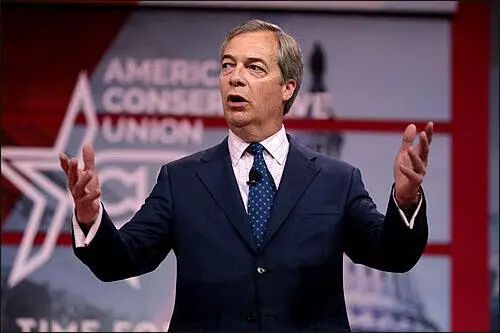
Starmer now decided to distance himself from Farage by disagreeing with him about a speech he made on 22 September 2025. Farage announced that if he became prime minister, he would abolish the right of migrants to qualify for permanent settlement in the UK after five years. Under the plans, migrants would need to reapply for new visas with tougher rules, and Reform would abolish Indefinite Leave to Remain (ILR), which gives people rights and access to benefits. Reform has also said it plans to bar anyone other than British citizens from accessing welfare. The party claimed their plans would save £234bn over several decades. (18)
At first the government seemed to agree with Nigel Farage. Chancellor Rachel Reeves said the government were already looking at restricting migrants' welfare access. However, in a TV interview on the eve of the Labour Party Conference, Starmer told Laura Kuenssberg that he thought Reforms plan to deport migrants was an "immoral policy". He went on to say it's one thing to "remove illegal migrants - I'm up for that," but it's a "completely different thing, to reach into people who are lawfully here and start removing them." Kuenssberg then asked if the PM thinks Farage was promoting a racist policy. He replied: "I do think that it is a racist policy. I do think it is immoral." (19)
It was hoped that the Labour Party Conference would be an opportunity for members to have a say in the direction of policy. However, this was not to be the case as Paul McNamee, editor of The Big Issue newspaper, described the Labour Conference as being like the Communist Party Conference in North Korea. (20) Starmer cancelled the conference passes of left-wing journalists Owen Jones and Rivkah Brown after complaints about the questions they were asking Cabinet ministers. (21)
Starmer decided to make Nigel Farage the focus of his speech at the Labour Party Conference. Starmer sought to contrast his vision of a "tolerant, decent, respectful Britain" with what he said was the Reform UK leader's desire to stir division and talk the country down. He questioned whether Farage and Reform love "our beautiful, tolerant, diverse country" or whether they just want to "stir the pot of division because that's what works for their interests". He stopped short of repeating his accusation that Farage's immigration policies are "racist". But he vowed to fight racist rhetoric: "Free speech is a British value - we've guarded it for centuries. But if you incite racist violence and hatred, that's not expressing concern - it's criminal." (22)
Jeremy Corbyn was highly critical of Starmer's speech: "The prime minister could have announced he was finally scrapping the two-child-benefit cap, bringing in rent controls, and taking our public services back into public ownership. Instead, he doubled down on the same tired formula of buzzwords and catchphrases. He couldn't even bring himself to acknowledge the genocide in Gaza. We know why: if he acknowledged the truth, he would be admitting his government's complicity in the greatest crime of our time. At nearly an hour, this was the longest resignation speech in party-conference history. And it was an urgent reminder to us all: we need a real alternative, now." (23)
Starmer moved into difficult territory when he called Nigel Farage a "racist". The leader of Reform UK was quick to argue that Starmer was calling supporters of his policies on immigration "racists". The following day, Zia Yusuf, Reform UK's head of policy, accused Starmer of "inciting violence" against Nigel Farage in his speech to the Labour Party conference on Tuesday, and said the prime minister will be "responsible" if anything happens to him. Speaking to Sky News Breakfast, Yusuf said the prime minister "knows he cannot beat Nigel at the ballot box", so has instead tried to "demonise him". (24)
Starmer had argued that it was right to call Nigel Farage a racist because most of those people disadvantaged by his policy concerned to abolish the right of migrants to qualify for permanent settlement in the UK after five years were ethnic minorities. However, the same could be said about the speech made by the home secretary, Shabana Mahmood, who argued that migrants will have to prove they are contributing to society to earn the right to remain in the UK. In her speech to the Labour conference, Mahmood outlined a series of new conditions migrants must meet to qualify for indefinite leave to remain. Under the proposals, legal migrants will have to learn English to a high standard, have a clean criminal record and volunteer in their community to be granted permanent settlement status. Mahmood said the Labour government had to "understand why so many people feel the country doesn't work for them". "If we do not rise to this challenge, our vision of an open, tolerant, generous country will wither, and working-class communities would turn away from Labour "and seek solace in the false promises" of Farage's party. (25)
As Nesrine Malik pointed out: "Migrant NHS doctors for example, labouring for long work days beyond what they are paid for will now have to prove that they ‘contribute to society' to earn permanent settlement in the UK. The benchmark for that contribution is volunteer work (sorry, more volunteer work) in the community. The five-year route to settlement is now being extended to 10, to make absolutely sure that in addition to being in work, paying taxes, making national insurance contributions and paying a hefty charge to use the NHS, you're not taking the piss. The latest demand is that some migrants must be able to speak English to A-level standard because, according to home secretary Shabana Mahmood, ‘it is unacceptable for migrants to come here without learning our language, unable to contribute to our national life.' I should pause here to explain the English requirements that are already in place, and who this concerns. The migrants this policy applies to are in the ‘skilled worker', ‘high-potential individual' and ‘scale up' categories, which allow companies to recruit talented individuals for skilled roles. There is already a test which proves that these individuals can broadly get by – it's called a job interview. Besides, the visas associated with these categories already require people to be able to speak English to GCSE level."
Nesrine Malik goes on to argue: "You see, A-level English capability is obviously not a serious or carefully considered benchmark, but an opportunity to say some strong stuff about ‘coming here and not speaking our language'. Like so many political interventions, this one is based on elision, on invoking a lumpen grunting blob of immigrants who can't and won't speak English, won't ‘play their part' and must be constantly subject to new crackdowns to prove their worth and their assimilation." (26)
Labour Together
This raises the issue of whether Starmer is serious about taking on Farage. In his speech at conference he hit out at "these snake oil merchants on the right, on the left" who "tell you there's a quick fix, a miracle cure, tax cuts that magically pay for themselves, a wealth tax that somehow solves every problem". (27) Of course, when he stood for the leadership in April 2020 he made the following pledge: "Increase income tax for the top 5% of earners, reverse the Tories' cuts in corporation tax and clamp down on tax avoidance, particularly of large corporations." (28)
This message was reinforced by Starmer's shadow chancellor, Rachel Reeves, when she said that a future Labour government would need to increase taxes on the rich to invest in public services such as the NHS, schools and childcare, as it was the only way to build the foundations of a strong economy. (29)
However, when Keir Starmer finally published the names of the people who financed his leadership campaign, we knew it would not be long before he dropped his pledges on increased taxes on the rich. Trevor Chinn, a private-equity broker and Martin Taylor, a hedge-fund manager, gave a combined £145,000 to his campaign. In June 2015, Chinn and Taylor, established the think tank, Labour Together. Chinn has funded several right-wing Labour MPs and the Liberal Democrat MP, Tim Farron. Both men have also been a major donor to the Labour Friends of Israel and Conservative Friends of Israel. They have also been long-time campaigners against increasing taxes for the wealthy. (30)
It was well after Keir Starmer was elected leader that his financial backers were revealed. It was later discovered that money donated to Starmer, and the Labour Party had come from an organisation set up by Chinn and Taylor called Labour Together. Morgan McSweeney became director of the organisation. Between 2017 and 2020, Labour Together failed to declare £730,000 of donations from businessmen and venture capitalists to the Electoral Commission, despite claiming at the time to have fully declared its funding. (31)
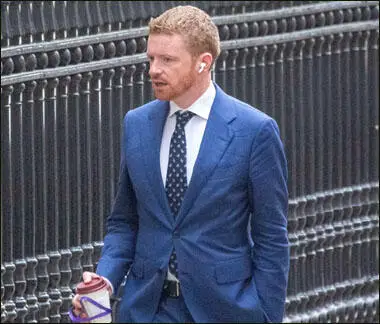
Rules state that such groups usually need to declare political donations above a certain threshold within 30 days of receiving them. But Labour Together didn't declare the donations until after Keir Starmer won the leadership election and after McSweeney left the organisation in 2020. An investigation was already conducted into this affair and concluded in 2021, with Labour Together ultimately being fined £14,250 for failing to declare the money. (32)
In September 2025 emails were leaked that showed that McSweeney had "misled" the Electoral Commission. In one email McSweeney "chose not to report those donations" to stop the then Jeremy Corbyn-led Labour Party knowing "who was bankrolling their secretive political campaigning, and to keep their work below the political radar". (33)
A Labour lawyer said there was "no easy way to explain" why the group had failed to declare the donations and advised it to attribute the failure to an "admin error". Conservative Party chair Kevin Hollinrake described the donations to Labour Together as a "secret slush fund to install Starmer as leader". The Electoral Commission said it had found "no evidence of any other potential offences" Hollinrake replied: "It is clear that Morgan McSweeney deceived the Electoral Commission but has dodged a criminal offence on a technicality." (34)
Multimillionaire Donations and Corruption
Multimillionaire donations continued after Keir Starmer became leader. In 2023 the Labour Party received £13m from wealthy individuals and companies according to the Electoral Commission's latest records. Three main individuals donated more than £8.5m to Labour. The biggest donations came from Gary Lubner, a Jewish man born in South Africa, gave the highest amount of any single donor at £4,527,500. Supermarket tycoon Lord Sainsbury of Turville donated £3,070,000, and his daughter Francesca Perrin became the highest-donating woman the party has ever had, giving £1,060,000. All three are generous funders of Friends of Israel. (35)
In 2023 when it was clear that they would form the next government money flooded into the Labour Party. This included a £4m donation by Quadrature Capital, a hedge fund registered in the Cayman Islands. This donation was noteworthy not just for its size, but also its timing. Electoral Commission records suggest Labour received the donation in the one-week window between former prime minister Rishi Sunak announcing the general election and the start of the ‘pre-poll reporting period' in which all political donations over £11,180 had to be published weekly, rather than the quarterly norm. This means that despite being made on 28 May, Quadrature's generous donation was published by the Electoral Commission only last week, more than two months after Labour won the general election. Quadrature Capital is run by the Jewish businessman, Daniel Luhde-Thompson, who has been a personal donor to the Labour Party since Starmer became leader. For example, in 2023 he gave £500,000 to the party. Quadrature had holdings in fossil fuel companies worth more than $170m. This includes three holdings in particular with major polluters: ConocoPhillips, Cheniere Energy and Cenovus Energy. Quadrature also had significant holdings in US private healthcare companies such as UnitedHealth ($31m) and HCA Healthcare ($16m); some of the largest asset management companies like Blackstone ($22m) and KKR ($7m), who potentially stand to benefit significantly from Labour's plans to utilise private investment for infrastructure; and tech firms, including Palantir ($71m) and Oracle Corporation ($8m). (36)
Its critics point out that it has significant holdings in the arms manufacturers Northrop Grumman ($31m) and Lockheed Martin ($6m). As The Scottish Daily Record points out Quadrature "invests in arms companies supplying Israel" including "firms supporting Israel's assault in Gaza such as arms company Lockheed Martin which supplies F-35 jets used to bomb Palestinians." (37)
A recent report by the thinktank Autonomy Institute showed companies that have recently donated to Labour were awarded contracts worth a great deal of money during the party's first year in government. Eight companies donating more than £580,000 to the party received government contracts worth nearly £138m within two years of their donation (between July 2024 and June 2025). For example, they include consultancy firm Grant Thornton donated £81,658.37 between March 2023 and July 2024 and has since been awarded £6,541,819 in contracts. The study also identified four of the government's 39 designated "strategic suppliers" – companies on which it significantly depends – that had donated to political parties and subsequently received contracts: Fujitsu, KPMG, Microsoft and PwC. (38)
The problem of political funding stems from the transformation of our political parties from mass organisations into de facto oligarchies. In the early 1950s, Conservative Party membership peaked at 2.8 million, while Labour had about 1 million. Add on members of trade unions affiliated to Labour, and the party's membership hovered somewhere around five million from the mid-1940s until the early 1990s. It was mainly membership fees that paid for our political parties. (39)
The Autonomy Institute has identified 373 companies that have been both Givers (have made donations that were declared to the Electoral Commission) and Takers (have received a contract from a public sector contracting authority). Over the last 25 years, £47 million has been donated by ‘giver and taker' companies in total who have also received public contracts. Since 2015, the total value of contracts awarded to these same companies totals £60 billion. In effect, for every £1 donated by a ‘giver and taker' company since 2000, over £1,294 of public funds have been given out in the form of contracts to this same set of companies since in the last decade alone. This problem could be solved by a ban on public contracts for companies that have made registered donations within the previous decade, along with directors or persons with significant control over the company. (40)
Simon Kuper of the London School of Economics has attempted to explain what donors get in return for this money: "What donors receive in return is to get to meet ministers in informal settings, often over dinners, with no civil servants present… It's not merely that donors can put their personal wish lists to power. Politicians, through frequent contact with donors, come to see the world from their point of view. Some donors receive more tangible benefits. Recall the Covid VIP Lane affair, in which ministers directed billions in contracts for masks and other protective kit to often useless companies set up by Tory donors." (41)
Investigation into the Covid contracts showed serious corruption. Political connections at least 28 contracts worth £4.1 billion went to those with known political connections to Boris Johnson's government. This amounts to almost one in ten pounds spent on the pandemic response. A total of 51 contracts worth a total of £4 billion went through the unlawful ‘VIP lane', of which 15 contracts worth £1.7 billion were awarded to politically connected suppliers and 24 contracts worth £1.7 billion were referred by politicians from the party of government at the time or their offices. Eight contracts worth a total of £500 million went to suppliers no more than 100 days old. The UK government awarded over £30.7 billion in high-value contracts lacking competition – equivalent to almost two-thirds of all COVID-19 contracts by value. (42)
The main question is how do governments ensure that the contracts, which are officially chosen by civil servants, go to party donors? There are currently 39 companies designated as UK government "Strategic Suppliers". Applications for contracts usually require a written bid which is then "scored" by the government department. The scoring criteria is meant to be a fairer way of choosing suppliers. It means civil servants can't just choose their favourite bid after reading them all. In other words, they are strongly guided by government ministers. (43) Individual cabinet ministers also receive inducements. For example, "Health secretary Wes Streeting has received at least £372,000 in donations from sources with links to private healthcare since 2015, equivalent to around £10,000 per month." (44)
Public Opinion Polls
Nigel Farage has held this lead over Starmer for the last 100 public opinion polls. However, it was a poll in September 2025 that predicted that Nigel Farage was on course to become the next prime minister that caused panic amongst Labour MPs. The YouGov MRP polling projection, based on a 13,000 sample suggests an election held in September would see a hung parliament with Reform UK winning 311 of the 650 seats, 15 seats short of the formal winning line of 326. According to this poll the other parties would win the following seats: Labour (144), Liberal Democrats (78), Conservatives (45), SNP (37), Greens (7), Plaid Cymru (6), Others (3). It has been suggested that a significant number of cabinet casualties, with ministers Bridget Phillipson, Ed Miliband, Lisa Nandy, John Healey, Jonathan Reynolds, Emma Reynolds, Pat McFadden, Wes Streeting and Yvette Cooper were all at risk of losing their seats. The projection suggests 306 Reform gains, up from their current seat tally of five, which would be the biggest increase in any election in British history. (45)
It seemed that Starmer's strategy of adopting the policies of Reform UK had not worked. He was told by critics at the time that there were no votes to be won on the right. Although he had moved the Labour Party to the right the potential Reform voters would never believe him and by doing so, he was going to lose votes to the Liberal Democrats and the Greens. There is evidence that even the funders of Labour Together are considering the possibility of Wes Streeting replacing Starmer as prime minister. However, Streeting won a majority of just 528 votes in his Ilford North constituency at the last general election and continues to face an electoral threat from pro-Palestinian independent candidates. To select Streeting as prime minister would be taking a risk that he would lose his seat at the next general election. (46)
There was an interesting article in The Guardian the other day by Polly Hudson. She argued she was disillusioned with Starmer's government, "specifically, including but not limited to: winter-fuel-cuts-gate, Mandelson-gate, ‘golden-ticket'-gate, Angela Rayner-gate), this might be the moment to question my allegiance." However, she argues that she cannot support any other party because her father was the left-wing Labour MP, Robin Corbett. "He took me to cast my first vote, age 18, walking me right up to the booth, placing a hand on my shoulder, and telling me solemnly to ‘Do the right thing' There was no doubt in my mind what that was. The running gag in my house was that my parents would help me, no matter what – if I got pregnant in my teens, or became addicted to drugs, they would be there." Polly was told that if she did not vote Labour "you're on your own! went the punchline. As Freud said, there are no jokes." (47)
Corbett joined the Labour Party in the same year as I did, 1963. He died in 2012, and Polly admits that if he was still alive today and told her to vote for another left-wing party she would do so but suspects he would say "vote Labour". I disagree with her. If you examine his career in detail, he was a man of principle who did not believe in the Labour Party "right or wrong". However, at the time of his death, he did not have a realistic left-wing party to vote for. (48)
The main objective is to stop Nigel Farage from becoming prime minister. Is voting Labour the best way of doing this? Ipsos latest public opinion poll shows that if an election was held in September, we would get the following results: Reform (34%), Labour (22%), Conservative (14), Green Party (12%) and Liberal Democrats (12%). When you look at the attitudes of the public towards the two main leaders, the situation becomes even worse. Nigel Farage has approval ratings of 34%, whereas Keir Starmer are only 13%. It is true that most of the public disapprove of Farage (53%) but that is even more true of Starmer (61%). The 82% disapproval rate of the Labour government suggests that even a member of the current cabinet replaces Starmer will not solve the problem. (49)
That is why some members of the party are supporting the idea of someone who is not associated with the problems of the current government should become the new leader of the party. Andy Burnham, the mayor of Manchester is seen as the best person to do this. A poll of 704 Labour members by YouGov found that 62% would back Burnham for leader, and 29% would back Starmer if given the chance. (50)
Burnham recently launched the Mainstream movement, calling for "a more inclusive, less factional way of running the party". However, Burnham must be a MP before he can challenge Starmer for the leadership. Will Starmer allow Burnham to become a MP? There was a seat which had been identified: Gorton and Denton. Its current MP is Andrew Gwynne, who was suspended from Labour and now sits as an independent. Even if Gwynne or some other Manchester MP agrees to stand down, Starmer has the power to stop Burnham from becoming a MP. Starmer has never forgiven Burnham for not supporting him in his leadership campaign following the resignation of Jeremy Corbyn. (51)
Burnham's selection as a candidate – should a byelection occur – is in the hands of Labour's national executive committee. Starmer's chief of staff, Morgan McSweeney, has been able to ruthlessly control selections of candidates. His fate, however, would ultimately be determined by a three-person NEC panel – who could be chosen for their loyalty. (52)
Starmer would be committing political suicide if he lets Burnham become an MP. Polling suggests that Burnham as prime minister would give Labour a much better chance of winning the next general election. This will appeal to those Labour MPs who look almost certain to lose their seats under Starmer. It will enable Burnham to ditch promises in the manifesto not to increase taxes on the rich. This will enable the government to get economic growth by increased public spending. (53)
Some left-wing members of the Labour Party are only holding on because they want to vote for Burnham to become leader. It is interesting to note that Burnham's Mainstream group includes Jon Lansman, founder of Momentum, Tribune Group chair Clive Efford, and left-wing Socialist Campaign Group members associated with former leader Jeremy Corbyn, including Clive Lewis, Dawn Butler, Olivia Blake, Paula Barker and Alex Sobel. It also includes two former ministers, Clare Short and John Denham. (54)
When they realise that they will not get Burnham as leader, these Labour MPs might well join the Zarah Sultana/Jeremy Corbyn Party. It had a troubled start but there is great enthusiasm for a new left-wing party. Corbyn said that more than 80,000 people signed up to the party's mailing list in the first five hours, and the party said it was over 300,000 by 25 July. In less than a week, the party had received over 600,000 sign-ups and by the following month it had over 800,000 people saying they were interested in joining. (55)
Polling by Ipsos revealed that 20% of British adults said they would be 'very' or 'fairly likely' to consider voting for a new left-wing party. This figure, however, masks a sharp generational divide. A third (33%) of those aged 16-34 would consider voting for the new party, a figure that drops to 22% among 35-54s and just 9% among those aged 55 and over. The potential for this new party to disrupt the existing political landscape is most evident in its appeal to voters of other left-leaning parties. One-third (33%) of those who voted Labour in 2024 and 43% of 2024 Green party voters would consider giving their vote to a Corbyn-Sultana-led party. The real threat to Starmer is if the Corbyn/Sultana Party forms an alliance with the Greens. An alliance between the two parties would be a potent force, with 31% of all Britons saying they would consider voting for a united ticket. This rises to a majority (52%) among 16-34s and includes nearly half (46%) of 2024 Labour voters. (56)
Starmer also has several other major problems to deal with over the next few months that will probably lose him further support. During the debate in the House of Commons on the appointment of Peter Mandelson as US ambassador, several chairs of the relevant parliamentary committees, including Emily Thornberry, Chair of the Foreign Affairs Select Committee, insisted they want to question Keir Starmer how Mandelson passed his security vetting. They already know the answer. He didn't because the main objective of the vetting process is to stop people being placed in positions where they have knowledge of state secrets who are blackmailable. What happened was that Starmer overruled the vetting committee in the same way that he did when the Foreign Office objected to Mandelson's appointment. Starmer will be asked why he put the nation's security at risk by insisting that Mandelson should take over from Dame Karen Elizabeth Pierce, an ambassador who had passed vetting, had a good relationship with Donald Trump, and was doing an excellent job. His answers to these questions will be interesting. (57)
The second problem that Starmer has got is over the publication of Paul Holden's book, The Fraud: Keir Starmer, Morgan McSweeney, and the Crisis of British Democracy (13th November 2025). Holden is a journalist with 15 years' experience investigating corruption. According to the publisher "Paul Holden shows how Keir Starmer has been the frontman for a ruthless, right-wing political project headed by Morgan McSweeney, now chief of staff in Number 10 and arguably the most powerful man in Britain. McSweeney's clique often employed dirty tricks to undermine the left-wing Labour leadership of Jeremy Corbyn, fuelling a moral panic over antisemitism and establishing front groups that hobbled prominent independent media outlets in the name of fighting ‘misinformation'. McSweeney then guided Starmer to the Labour leadership on a platform that Starmer, once in office, almost instantly betrayed. Having conquered the party on false pretences, McSweeney and his allies set about purging opponents, marginalising the membership, and dragging party policy to the right." (58)
Holden will over the next few months be leaking information that will be very damaging to Starmer. The first one concerned Paul Ovenden, a senior aide to Starmer, who was resigned after offensive and sexual text messages came to light in which he recounted a conversation about veteran MP Diane Abbott. A spokesperson for the prime minister called the messages "appalling and unacceptable", saying: "As the first black woman to be elected to Parliament, Diane Abbott is a trailblazer who has faced horrendous abuse throughout her political career." (59)
The problem for Starmer is that he has known about this since the publication of the Forde Report in July 2022. Starmer commissioned the report, by Martin Forde KC, on the claims that Labour Party headquarters was anti-Semitic. To investigate this issue Forde insisted he had access to all private emails and WhatsApp messages of the staff at Labour HQ. The 860-page report included hundreds of private WhatsApp messages from named staff members, many of them expressing extreme hostility towards Jeremy Corbyn and his close allies and bemoaning Labour's better-than-expected performance at the 2017 general election. The report claimed that factional hostility towards Corbyn contributed to the party's ineffective handling of antisemitism complaints and undermined its 2017 election campaign. The report was originally intended to be published by the end of 2020, but Starmer tried to bury it as he knew it would expose his secret campaign against Corbyn. (60)
Martin Forde wrote to the Labour National Executive Committee (NEC) in February 2021 expressing concern that his report was being held back. It was eventually published because Starmer feared that Forde would leak this information. However, details of the Forde Report were not published in the mainstream media because it revealed they had been publishing lies about Corbyn. One of the few media outlets that did report on it was the Jewish Voice of Labour organisation: "Last year Martin Forde was interviewed by Al Jazeera where he said: ‘no one from Labour had been willing to discuss the recommendations further'. Labour's response to this interview was to send Mr Forde a robust legal letter…accusing him of acting against the party's interests and advising him that it was ‘considering all of its options.'" NEC member Mish Rahman said: "This legal threat from the Labour Party to Mr Forde is consistent with the behaviour of Starmer's Labour Party, which is intent on cracking down on any dissent or criticism rather than the actual perpetrators of racism," … "We also saw this in the party's pursuit of those it believed had leaked evidence of racism, and its defence of those who had made racist and bigoted comments." (61)
In his report Martin Forde suggested that those members of staff who were making racist and sexist comments like Paul Ovenden should be sacked. Starmer ignored this and they all kept their jobs. In fact, Ovenden and his right-wing colleagues got a pay increase. It has been claimed by ITV News that Ovenden was on around £120,000 a year when he was forced to resign. (62)
The most important problem for Keir Starmer is the government's delayed Autumn Budget on 26 November. In the Labour Manifesto a promise was made not to raise national insurance, VAT or income tax, which between them account for about 75% of tax revenue. It now seems that the current economic situation means that Rachel Reeves will result in her being £40bn adrift of the £10bn headroom against her fiscal rules she left herself in spring, once higher borrowing costs and U-turns on winter fuel and welfare cuts are considered, alongside the growth downgrade. (63)
In the buildup to her second Budget, there has been a great deal of speculation about what the government has planned to fill the multi-billion-pound gap in the public finances. As Ollie Smith has pointed out: "The UK's restless government bond markets are keen to see evidence that the state has debt under control and jittery about any hint of the opposite. The yield on the 30-year gilt is still elevated at 5.63%, below 2025's high of 5.72% in September... In this financial year, the UK government is expected to spend more than £100 billion servicing debt interest. Reeves' options include cutting public spending, raising direct or indirect taxation or increasing government borrowing, or a combination of all three levers. Cutting public spending is unlikely to be popular with core voters keen to see improvements in public services." (64)
Clive Lewis, a Labour MP who has been willing to criticise Keir Starmer. "So choppy are the waters of the UK's permacrisis, and so flat-bottomed the life raft known as Starmerism, that ideas once thought impossible at the outset of Keir Starmer's initial soft-left, ‘Corbyn-in-a-suit' journey have become the defining realities of Labour's present course. As its conference begins in Liverpool this weekend, the party must ask itself whether the political culture it is building is one that can inspire a country, or merely discipline it into compliance. Without a shift towards democracy, discussion and pluralism, Labour risks forfeiting the very moral and political authority it needs to confront the authoritarian voices shouting so loudly beyond our own ranks, and increasingly within them." (65)
Keir Starmer, Nigel Farage and Kemi Badenoch are currently trying to compete about how unpleasant they can be towards immigrants and refugees. This is the result of the media highlighting the number of people travelling across the channel in small boats. As we enter the winter months these stories will disappear from our media. This will reduce the popularity of Reform as those on the right take the view that because they have not been tested in government, they have the best policies to stop the boats. When asked about the important issues facing the UK today, the most commonly reported issues were the cost of living (86%), the NHS (84%), and the economy (72%). To gain support politicians will have to provide answers to these issues. (66)
Aditya Chakrabortt made this point in a recent article in The Guardian: "There is one problem above any other that Britons say causes them personal distress. It is pushing many to desperate action. It's the same issue that may well seal the next election. It's no secret, but instead regularly flashes deepest red in polls. Yet it is neither discussed by our prime minister nor receives urgent ministerial attention. And no newspaper is bawling about it in 72-point type. Here is a case study in just how warped politics and the media are in 2025, and how MPs and journalists work against the interests of their voters and audiences. I refer to the cost of living." Chakrabortty goes on to argue that despite recent headlines about immigration: "They are still in a cost-of-living crisis. Whether at Ocado or Aldi, food prices keep rising. School uniforms are extortionate. University tuition fees for the new term – jacked up. And last week the cap on energy bills was hiked – just in time for winter. Almost four years after Russia's invasion of Ukraine sent energy prices rocketing, the average British family is still under huge financial stress. True, the Bank of England is no longer panicking about inflation now that it has gone from double digits to hovering around ‘only' 4%. But that's little comfort for most households, who can see there are fewer bags in their weekly shop – and that their pay (up by 20% since 2021) hasn't kept up with either prices (up 28% since 2020) or fuel bills (which have typically risen by almost £500 in only four years)." (67)
Over the next few months, the British people will be interested in what Starmer and Farage have to say about dealing with the "cost-of-living" crisis. Nor are they likely to be impressed by the Autumn Budget that will include the breaking of Labour Party manifesto promises. Ipsos public opinion poll showed that if an election was held in September, we would get the following results: Reform (34%), Labour (22%), Conservative (14), Green Party (12%) and Liberal Democrats (12%). (68)
However, after the Conference season the polls showed a further decline in Labour fortunes. A poll carried out on 8 th October revealed the following voting intentions. Reform (32%), Labour (17%), Conservative (17%), Greens (15%) and Liberal Democrats (12%). Reform is down 2%, according to other polls, that appears to have gone to the Conservatives as people prefer their views on the economy. However, Labour is down by 5%. (69)
However, after the Conference season the polls showed a further decline in Labour fortunes. A poll carried out on 8 th October revealed the following voting intentions. Reform (32%), Labour (17%), Conservative (17%), Greens (15%) and Liberal Democrats (12%). Reform is down 2%, according to other polls, that appears to have gone to the Conservatives as people prefer their views on the economy. However, Labour is down by 5%. Most of this loss seems to have gone to the Greens who are benefitting from the more left-wing leadership of Zach Polanski. (70)
Most of this loss seems to have gone to the Greens who are benefitting from the more left-wing leadership of Zach Polanski. Over 50,000 have joined the party since Polanski was elected as leader. The party now has 115,000 members, only 8,000 behind the Conservative Party. "Meanwhile, the latest figures show Labour is losing a member around every ten minutes. In other words, they've been dropping 152 members a day." (71)
On Thursday 9 October saw Jeremy Corbyn and Zarah Sultana launch Your Party in Liverpool. This posed a further threat to the Labour Party. (63) The Find Out Now poll on 16th October reinforced this fact. It reported the following figures: Reform (32%), Conservative (17%), Greens (15.31%), Labour (15.23%) and Liberal Democrats (12%). The Greens achieved marginally more support than the Labour Party and had now fallen into fourth place for the first time in its history. (72)
2029 General Election
The next general election will probably take place in 2029. Keir Starmer asked voters to judge him on whether they felt better off after five years of Labour government. This is unlikely to be the case, and he will find it difficult to get elected. It is also unlikely that the Conservatives would have recovered from their bad defeat in 2024. Therefore, some political commentators expect Nigel Farage to become prime minister. I disagree for two main reasons.
Firstly, Reform UK is currently doing well in the polls because the mainstream media has helped them by making a major issue of refugees coming to the country by boat. Reform does better than the two major parties, when immigration is in the news. The main reason for this is that Reform have never been in government and so they don't have a record on immigration control. The measures they have suggested so far will not work, but it seems that a certain percentage of the population are willing to give it a try. However, at a general election, people consider a wide range of issues before they cast their vote. Recent research, commissioned by the non-partisan think tank Persuasion UK, tested the impact of various anti-Reform attack lines on 6,000 UK adults. Significant numbers approved their anti-asylum approach.
However, they overwhelmingly disliked its denial of climate facts, Farage's support for NHS privatisation, the party's fossil fuel donors, and its closeness to U.S. President Donald Trump. According to Steve Akehurst, who was behind the research by Persuasion UK, "by far the most impactful" message in terms of damaging Reform's popularity – was exposing its extensive ties to fossil fuel interests and corporate donors. (73)
The other problem that faces Reform UK is that they will have trouble finding enough party activists willing to canvas for them in a general election. One age related survey showed that supporters increased the older people became: 18-24 (14%), 25-49 (17%), 50-64 (28%), 65+ (36%). The party is more attractive to men, with 29% considering voting for Reform, relative to 19% of women. (74)
Research carried out by YouGov during May and June 2025. "It shows the chances of someone under-30 being a likely Reform voter is very low but is much higher for those over the age of 50, and for 55 to 70-year-olds the likelihood that they will back Reform is substantially higher than that of either Labour or the Conservatives. There was no youth-surge at the General Election, with barely 6% of under-30s voting Reform." (75)
Not having young active supporters in a general election is a serious problem. This is in stark contrast to the Green Party who since Zack Polanski was elected leader, they have doubled their membership more than 100,000 members for the first time. It also has the added advantage that most of its members are under 30 who want to play an active role in politics. (76)
Find Out Now interviewed a sample of 3,065 UK adults on 29th October which is nationally representative by: gender, age, region, ethnicity and the 2024 General Election results, on how they intended to vote in the next election. The result was Reform (32%), Greens (17%), Conservatives (16%), Labour (16%), Liberal Democrats (12%). This makes the Green Party the primary opposition party to Reform UK and is gaining ground on the static Nigel Farage organisation. (77)
By the time of the next General Election the people who are hostile to the policies of the far right, might well feel that a vote for Labour is a wasted vote in their determination to stop Nigel Farage from becoming UK's next prime minister.
References
(1) The National (26 November 2024)
(2) The Daily Telegraph (23 July 2025)
(3) BBC News (21 August 2025)
(4) Sky News (3 November 2024)
(5) Sam Coates, Sky News (21 May 2025)
(6) Enoch Powell, speech in Birmingham (20th April 1968)
(7) The Times (22nd April 1968)
(8) Robert Shepherd, Enoch Powell (1998) page 352
(9) Simon Heffer, Like the Roman: The Life of Enoch Powell (1999) page 461
(10) Keir Starmer, speech (10 May 2025)
(11) The Guardian (12 May 2025)
(12) The Guardian (9 October 2025)
(13) You Gov, Keir Starmer's Approval Ratings (16 July 2025)
(14) BBC News (27 June 2025)
(15) Statement issued by 10 Downing Street (13 May 2025)
(16) Aditya Chakrabortt, The Guardian (18 September 2025)
(17) The Spectator (28 September 2025)
(18) BBC News (22 September 2025)
(19) BBC News (28 September 2025)
(20) Paul McNamee, BBC Politics Live (30 September 2025)
(21) The Guardian (30 September 2025)
(22) Keir Starmer, speech at the Labour Party Conference (30 September 2025)
(23) The Daily Express (30 September 2025)
(24) Sky News (1 October 2025)
(25) Shabana Mahmood speech at the Labour Party Conference (28 September 2025)
(26) Nesrine Malik, The Guardian (20 October 2025)
(27) Keir Starmer, speech at the Labour Party Conference (30 September 2025)
(28) Keir Starmer, My Pledges to You (April 2020)
(29) The Guardian (25th September 2023)
(30) Oliver Eagleton, The Starmer Project (2023) page 138
(31) Gabriel Pogrund & Harry Yorke, The Times (5 January 2024)
(32) Brian O'Flynn, Channel 4 News (26 September 2025)
(33) BBC News (26 September 2025)
(34) The Guardian (26 September 2025)
(35) BBC News (7 March 2025)
(36) Ethan Stone, Open Democracy (18 September 2024)
(37) The Scottish Daily Record (20 August 2025)
(38) Michael Goodier, The Guardian (26 October 2025)
(39) Simon Kuper, Buying influence: Donations and corruption in British politics (13 November 2024)
(40) Sonia Balagopalan & Will Stronge, Uncovering the Donor-Contract Nexus at the Heart of Government (October 2025) page 6
(41) Simon Kuper, Buying influence: Donations and corruption in British politics (13 November 2024)
(42) Transparency International (10 September 2024)
(43) BBC News (19 January 2018)
(44) Grace Blakeley, Open Democracy (24 October 2025)
(45) Sky News (26 September 2025)
(46) The Evening Standard (15 September 2025)
(47) Polly Hudson, The Guardian (5 October 2025)
(48) Andrew Roth, The Guardian (19 February, 2012)
(49) Ipsos, Voting Intentions (September 2025)
(50) Sky News (29 September 2025)
(51) Luke Hurst, Labour List (8 September 2025)
(52) The Guardian (20 September 2025)
(53) YouGov: Would Andy Burnham be a better prime minister than Keir Starmer? (30 September 2005)
(54) George Eaton, The New Statesman (10 September 2025)
(55) The Herald (22 August 2025)
(56) Ipsos polling on the Zarah Sultana/Jeremy Corbyn Party (20 August 2025)
(57) BBC News (16 September 2025)
(58) Or Books (September 2025)
(59) BBC News (15 September 2025)
(60) The Guardian (19 July 2022)
(61) Jewish Voice for Labour (20 June 2024)
(62) ITV News (15 September 2025)
(63) The Guardian (4 October 2025)
(64) Ollie Smith, Canadian Morning Star (7 October 2025)
(65) Clive Lewis, The Guardian (26 September 2025)
(66) Public opinions and social trends, Great Britain (June 2025)
(67) Aditya Chakrabortt, The Guardian (9 October 2025)
(68) Ipsos, Voting Intentions (September 2025)
(69) Find Out Now: Voting Intentions (8 October 2025)
(70) James Wright, The Canary (17 October 2025)
(71) Jeremy Corbyn & Zarah Sultana, meeting, St George's Hall in Liverpool (9 October 2025)
(72) Find Out Now: Voting Intentions (15 October 2025)
(73) Sam Bright, New research reveals the best attack lines to use against Reform (15 July 2025)
(74) YouGov (28 January 2025)
(75) Kerra Maddern, New research casts doubt on Reform's appeal to young people (2 July 2025)
(76) The Guardian (12 October 2025)
(77) Find Out Now, Voting Intentions (29 October 2025)
Previous Posts
How do we stop Nigel Farage from forming a government (14th October, 2025)
Donald Trump and the Deep State (13th August, 2025)
The History of Fascism: Are Vladimir Putin and Donald Trump Fascists? (10th June, 2025)
The CIA memorandum on the death of Gary Underhill (6th April, 2025)
Should George Orwell have chosen the title, 2030, instead of 1984? Keir Starmer as Big Brother. (17th March, 2025)
The Evolution of the Brain. Can you make yourself happy? (16th January, 2025)
Technology and the History Classroom: Should the Teaching Profession Embrace AI? (20th November, 2024)
Venetia Stanley, H. H. Asquith and the First World War (22nd August, 2024)
The General Election Campaign: The Tyranny of the Centre (4th July, 2024)
In Defence of the New History (20th March, 2024)
The Political History of Keir Starmer (25th January, 2024)
JFK Assassination: What Happened in the Trauma Room (23rd November, 2023)
Sir Keir Starmer and his Broken Pledges (1st September, 2023)
Should history students be using ChatGBT? (28th May, 2023)
A historical account of the Daily Mail, the Conservative Party and Migration (18th March, 2023)
Art and the Women's Suffrage Movement (20th January, 2023)
Emancipation of Women: 1870-1928 (15th November, 2022)
The Struggle for Women's Rights: 1500-1870 (21st September, 2022)
The real reason why the FA banned women from playing on their grounds (1st August, 2022)
The WSPU Young Hot Bloods and the Arson Campaign (26th May, 2022)
Interpretations in History (18th April, 2022)
The Student as Teacher (31st December, 2021)
History Simulations in the Classroom (30th November, 2021)
Walter Tull: Football and War Hero (20th October, 2021)
Child Labour and Freedom of the Individual (26th July, 2021)
Don Reynolds and the Assassination of John F. Kennedy (15th June, 2021)
Richard Nixon and the Conspiracy to kill George Wallace in 1972 (5th May, 2021)
The Connections between Watergate and the JFK Assassination (2nd April, 2021)
The Covid-19 Pandemic: An Outline for a Public Inquiry (4th February, 2021)
Why West Ham did not become the best team in England in the 1960s (24th December, 2000)
The Lyndon Baines Johnson Tapes and the John F. Kennedy Assassination (9th November, 2020)
It is Important we Remember the Freedom Riders (11th August, 2020)
Dominic Cummings, Niccolò Machiavelli and Joseph Goebbels (12th July, 2020)
Why so many people in the UK have died of Covid-19 (14th May, 2020)
Why the coronavirus (Covid-19) will probably kill a higher percentage of people in the UK than any other country in Europe.. (12th March, 2020 updated 17th March)
Mandy Rice Davies and Christine Keeler and the MI5 Honey-Trap (29th January, 2020)
Robert F. Kennedy was America's first assassination Conspiracy Theorist (29th November, 2019)
The Zinoviev Letter and the Russian Report: A Story of Two General Elections (24th November, 2019)
The Language of Right-wing Populism: Adolf Hitler to Boris Johnson (11th October, 2019)
The Political Philosophy of Dominic Cummings and the Funding of the Brexit Project (15th September, 2019)
What are the political lessons to learn from the Peterloo Massacre? (19th August, 2019)
Crisis in British Capitalism: Part 1: 1770-1945 (9th August, 2019)
Richard Sorge: The Greatest Spy of the 20th Century? (29th July, 2020)
The Death of Bernardo De Torres (26th May, 2019)
Gas Masks in the Second World War killed more people than they saved (9th May, 2019)
Did St Paul and St Augustine betray the teachings of Jesus? (20th April, 2019)
Stanley Baldwin and his failed attempt to modernise the Conservative Party (15th April, 2019)
The Delusions of Neville Chamberlain and Theresa May (26th February, 2019)
The statement signed by Robert F. Kennedy Jr. and Kathleen Kennedy Townsend (20th January, 2019)
Was Winston Churchill a supporter or an opponent of Fascism? (16th December, 2018)
Why Winston Churchill suffered a landslide defeat in 1945? (10th December, 2018)
The History of Freedom Speech in the UK (25th November, 2018)
Are we heading for a National government and a re-run of 1931? (19th November, 2018)
George Orwell in Spain (15th October, 2018)
Anti-Semitism in Britain today. Jeremy Corbyn and the Jewish Chronicle (23rd August, 2018)
Why was the anti-Nazi German, Gottfried von Cramm, banned from taking part at Wimbledon in 1939? (7th July, 2018)
What kind of society would we have if Evan Durbin had not died in 1948? (28th June, 2018)
The Politics of Immigration: 1945-2018 (21st May, 2018)
State Education in Crisis (27th May, 2018)
Why the decline in newspaper readership is good for democracy (18th April, 2018)
Anti-Semitism in the Labour Party (12th April, 2018)
George Osborne and the British Passport (24th March, 2018)
Boris Johnson and the 1936 Berlin Olympics (22nd March, 2018)
Donald Trump and the History of Tariffs in the United States (12th March, 2018)
Karen Horney: The Founder of Modern Feminism? (1st March, 2018)
The long record of The Daily Mail printing hate stories (19th February, 2018)
John Maynard Keynes, the Daily Mail and the Treaty of Versailles (25th January, 2018)
20 year anniversary of the Spartacus Educational website (2nd September, 2017)
The Hidden History of Ruskin College (17th August, 2017)
Underground child labour in the coal mining industry did not come to an end in 1842 (2nd August, 2017)
Raymond Asquith, killed in a war declared by his father (28th June, 2017)
History shows since it was established in 1896 the Daily Mail has been wrong about virtually every political issue. (4th June, 2017)
The House of Lords needs to be replaced with a House of the People (7th May, 2017)
100 Greatest Britons Candidate: Caroline Norton (28th March, 2017)
100 Greatest Britons Candidate: Mary Wollstonecraft (20th March, 2017)
100 Greatest Britons Candidate: Anne Knight (23rd February, 2017)
100 Greatest Britons Candidate: Elizabeth Heyrick (12th January, 2017)
100 Greatest Britons: Where are the Women? (28th December, 2016)
The Death of Liberalism: Charles and George Trevelyan (19th December, 2016)
Donald Trump and the Crisis in Capitalism (18th November, 2016)
Victor Grayson and the most surprising by-election result in British history (8th October, 2016)
Left-wing pressure groups in the Labour Party (25th September, 2016)
The Peasant's Revolt and the end of Feudalism (3rd September, 2016)
Leon Trotsky and Jeremy Corbyn's Labour Party (15th August, 2016)
Eleanor of Aquitaine, Queen of England (7th August, 2016)
The Media and Jeremy Corbyn (25th July, 2016)
Rupert Murdoch appoints a new prime minister (12th July, 2016)
George Orwell would have voted to leave the European Union (22nd June, 2016)
Is the European Union like the Roman Empire? (11th June, 2016)
Is it possible to be an objective history teacher? (18th May, 2016)
Women Levellers: The Campaign for Equality in the 1640s (12th May, 2016)
The Reichstag Fire was not a Nazi Conspiracy: Historians Interpreting the Past (12th April, 2016)
Why did Emmeline and Christabel Pankhurst join the Conservative Party? (23rd March, 2016)
Mikhail Koltsov and Boris Efimov - Political Idealism and Survival (3rd March, 2016)
Why the name Spartacus Educational? (23rd February, 2016)
Right-wing infiltration of the BBC (1st February, 2016)
Bert Trautmann, a committed Nazi who became a British hero (13th January, 2016)
Frank Foley, a Christian worth remembering at Christmas (24th December, 2015)
How did governments react to the Jewish Migration Crisis in December, 1938? (17th December, 2015)
Does going to war help the careers of politicians? (2nd December, 2015)
Art and Politics: The Work of John Heartfield (18th November, 2015)
The People we should be remembering on Remembrance Sunday (7th November, 2015)
Why Suffragette is a reactionary movie (21st October, 2015)
Volkswagen and Nazi Germany (1st October, 2015)
David Cameron's Trade Union Act and fascism in Europe (23rd September, 2015)
The problems of appearing in a BBC documentary (17th September, 2015)
Mary Tudor, the first Queen of England (12th September, 2015)
Jeremy Corbyn, the new Harold Wilson? (5th September, 2015)
Anne Boleyn in the history classroom (29th August, 2015)
Why the BBC and the Daily Mail ran a false story on anti-fascist campaigner, Cedric Belfrage (22nd August, 2015)
Women and Politics during the Reign of Henry VIII (14th July, 2015)
The Politics of Austerity (16th June, 2015)
Was Henry FitzRoy, the illegitimate son of Henry VIII, murdered? (31st May, 2015)
The long history of the Daily Mail campaigning against the interests of working people (7th May, 2015)
Nigel Farage would have been hung, drawn and quartered if he lived during the reign of Henry VIII (5th May, 2015)
Was social mobility greater under Henry VIII than it is under David Cameron? (29th April, 2015)
Why it is important to study the life and death of Margaret Cheyney in the history classroom (15th April, 2015)
Is Sir Thomas More one of the 10 worst Britons in History? (6th March, 2015)
Was Henry VIII as bad as Adolf Hitler and Joseph Stalin? (12th February, 2015)
The History of Freedom of Speech (13th January, 2015)
The Christmas Truce Football Game in 1914 (24th December, 2014)
The Anglocentric and Sexist misrepresentation of historical facts in The Imitation Game (2nd December, 2014)
The Secret Files of James Jesus Angleton (12th November, 2014)
Ben Bradlee and the Death of Mary Pinchot Meyer (29th October, 2014)
Yuri Nosenko and the Warren Report (15th October, 2014)
The KGB and Martin Luther King (2nd October, 2014)
The Death of Tomás Harris (24th September, 2014)
Simulations in the Classroom (1st September, 2014)
The KGB and the JFK Assassination (21st August, 2014)
West Ham United and the First World War (4th August, 2014)
The First World War and the War Propaganda Bureau (28th July, 2014)
Interpretations in History (8th July, 2014)
Alger Hiss was not framed by the FBI (17th June, 2014)
Google, Bing and Operation Mockingbird: Part 2 (14th June, 2014)
Google, Bing and Operation Mockingbird: The CIA and Search-Engine Results (10th June, 2014)
The Student as Teacher (7th June, 2014)
Is Wikipedia under the control of political extremists? (23rd May, 2014)
Why MI5 did not want you to know about Ernest Holloway Oldham (6th May, 2014)
The Strange Death of Lev Sedov (16th April, 2014)
Why we will never discover who killed John F. Kennedy (27th March, 2014)
The KGB planned to groom Michael Straight to become President of the United States (20th March, 2014)
The Allied Plot to Kill Lenin (7th March, 2014)
Was Rasputin murdered by MI6? (24th February 2014)
Winston Churchill and Chemical Weapons (11th February, 2014)
Pete Seeger and the Media (1st February 2014)
Should history teachers use Blackadder in the classroom? (15th January 2014)
Why did the intelligence services murder Dr. Stephen Ward? (8th January 2014)
Solomon Northup and 12 Years a Slave (4th January 2014)
The Angel of Auschwitz (6th December 2013)
The Death of John F. Kennedy (23rd November 2013)
Adolf Hitler and Women (22nd November 2013)
New Evidence in the Geli Raubal Case (10th November 2013)
Murder Cases in the Classroom (6th November 2013)
Major Truman Smith and the Funding of Adolf Hitler (4th November 2013)
Unity Mitford and Adolf Hitler (30th October 2013)
Claud Cockburn and his fight against Appeasement (26th October 2013)
The Strange Case of William Wiseman (21st October 2013)
Robert Vansittart's Spy Network (17th October 2013)
British Newspaper Reporting of Appeasement and Nazi Germany (14th October 2013)
Paul Dacre, The Daily Mail and Fascism (12th October 2013)
Wallis Simpson and Nazi Germany (11th October 2013)
The Activities of MI5 (9th October 2013)
The Right Club and the Second World War (6th October 2013)
What did Paul Dacre's father do in the war? (4th October 2013)
Ralph Miliband and Lord Rothermere (2nd October 2013)